This is the working reference area for planning your project. It brings together mixing rates, how to measure and calculate estimated quantities, reference your project specifications and pricing for your project.
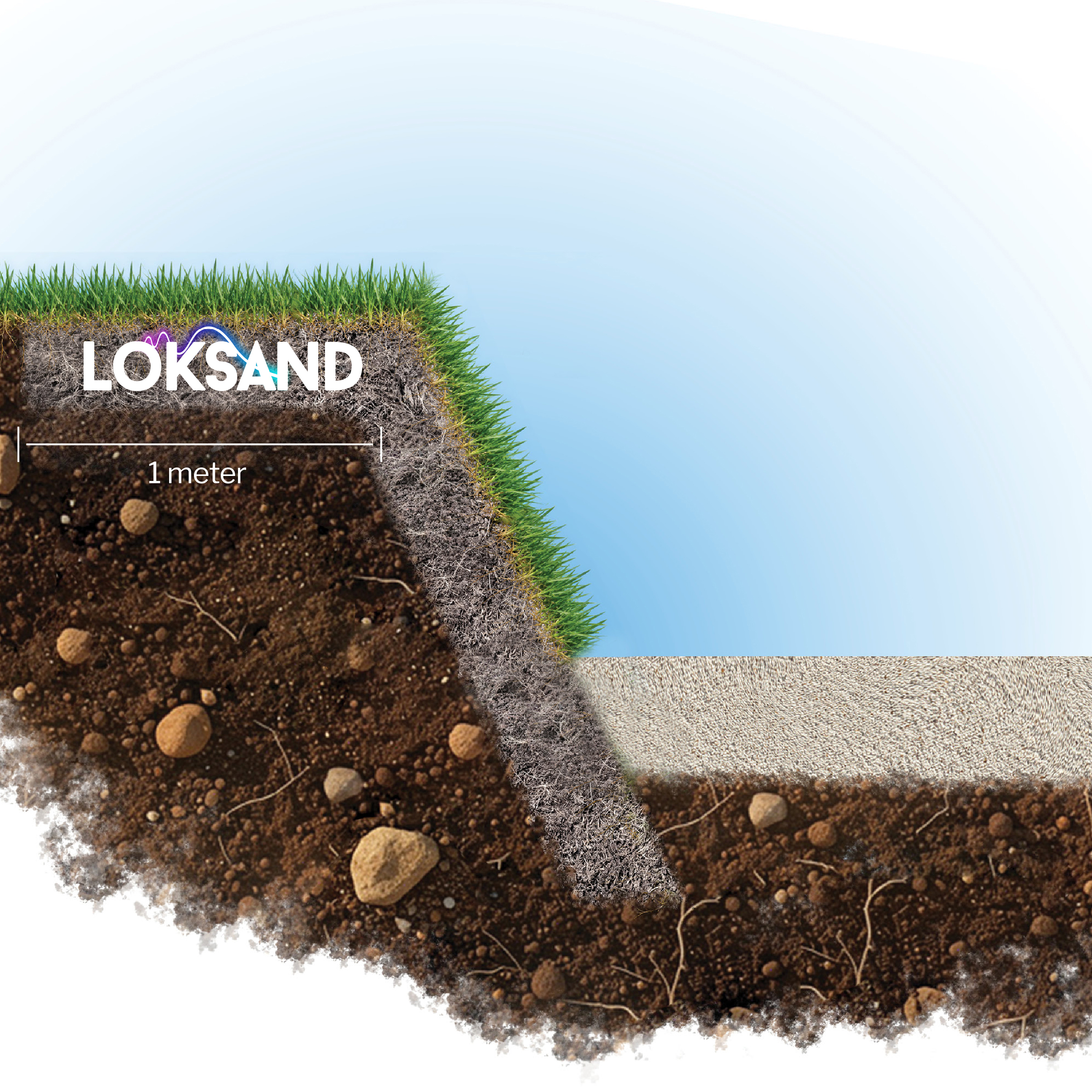
Drawing details for common applications -bunkers, cart paths, erosion control, and turf renovation the product specification sheet,and data and safety information are here and can be adjusted to suit your particular needs,especially when requiring an exact detail required for your project construction bid.
Quantities are calculated by area (Length × Width x Depth), then adjusted for the placed depth of the mix.
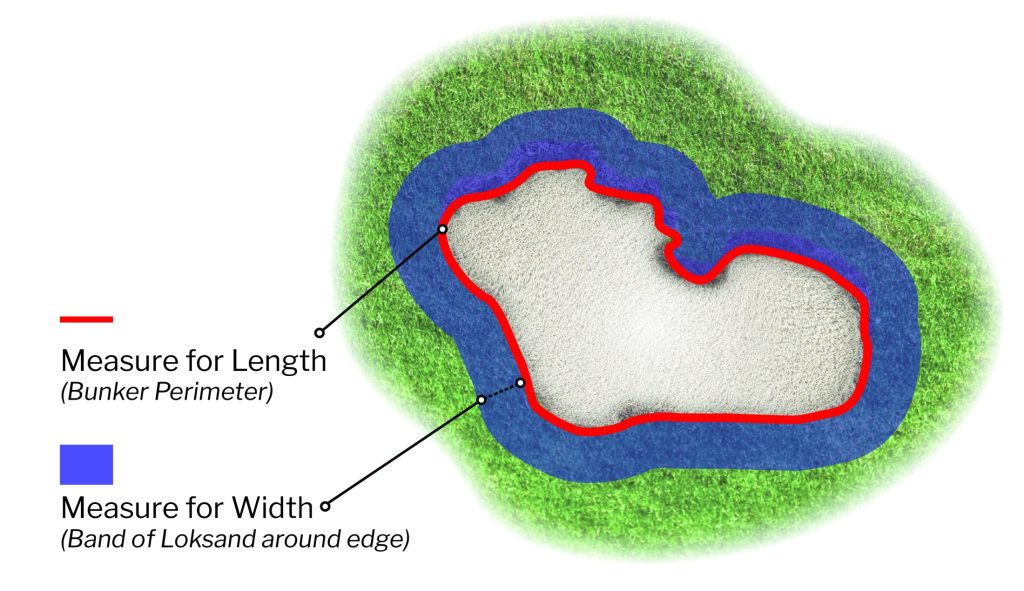
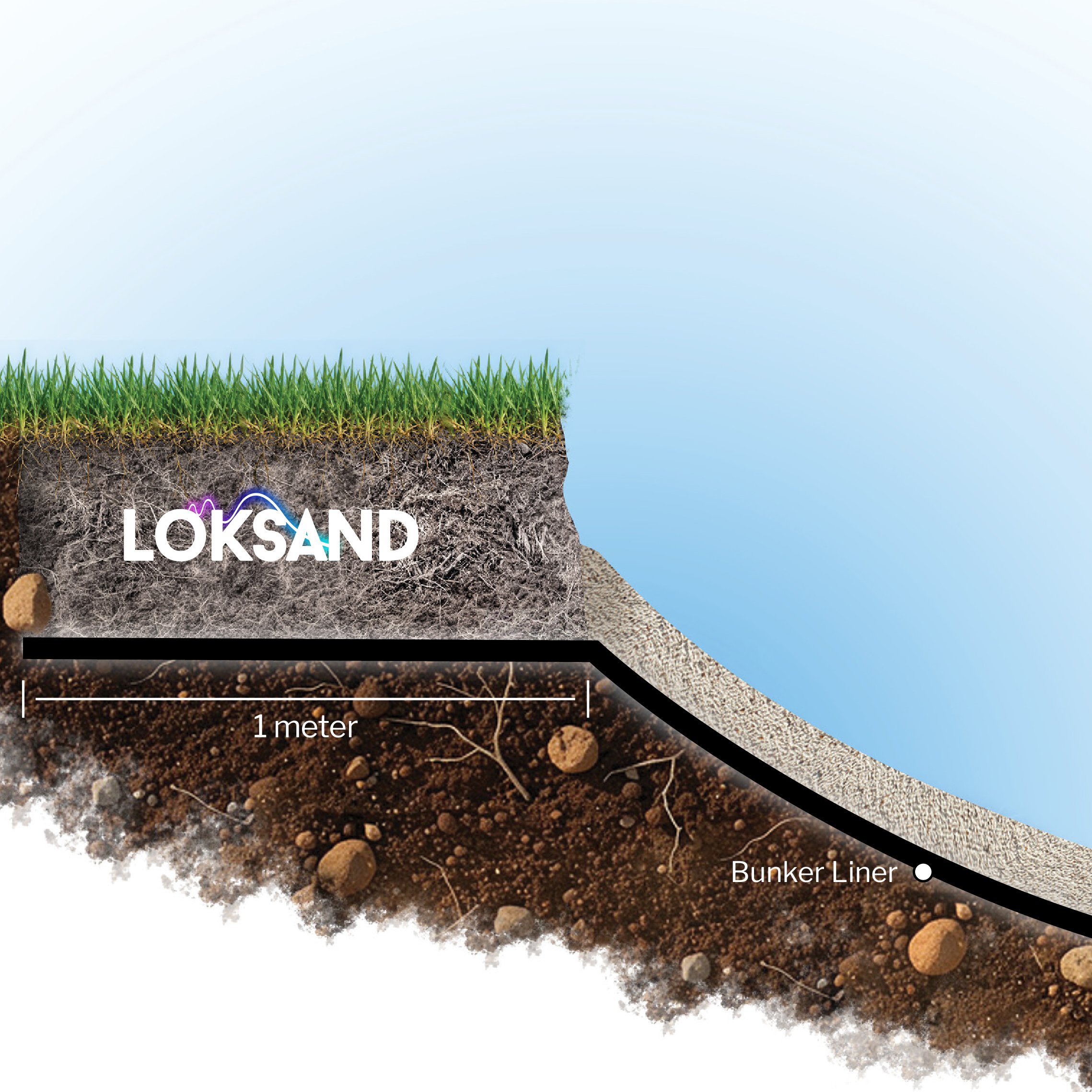
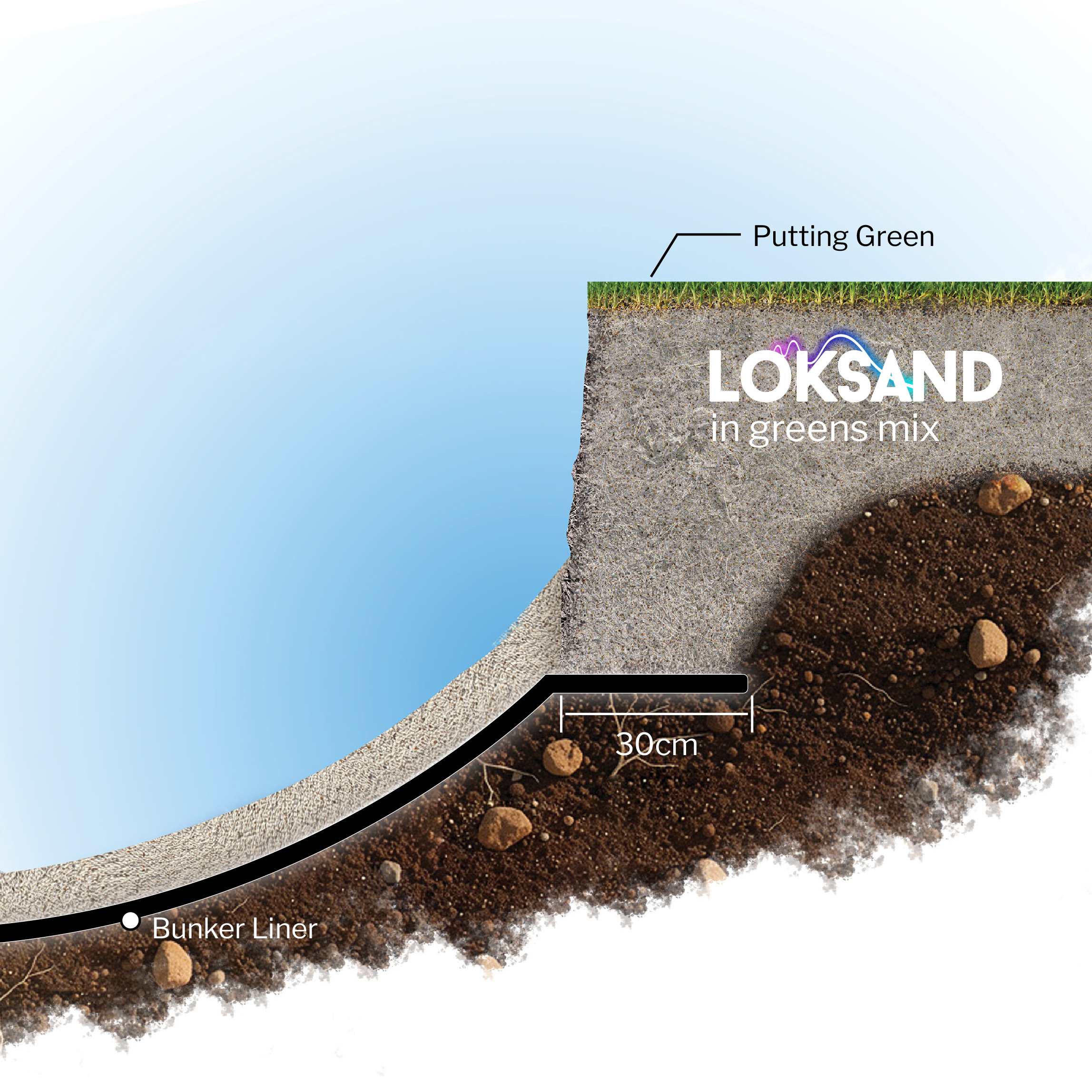
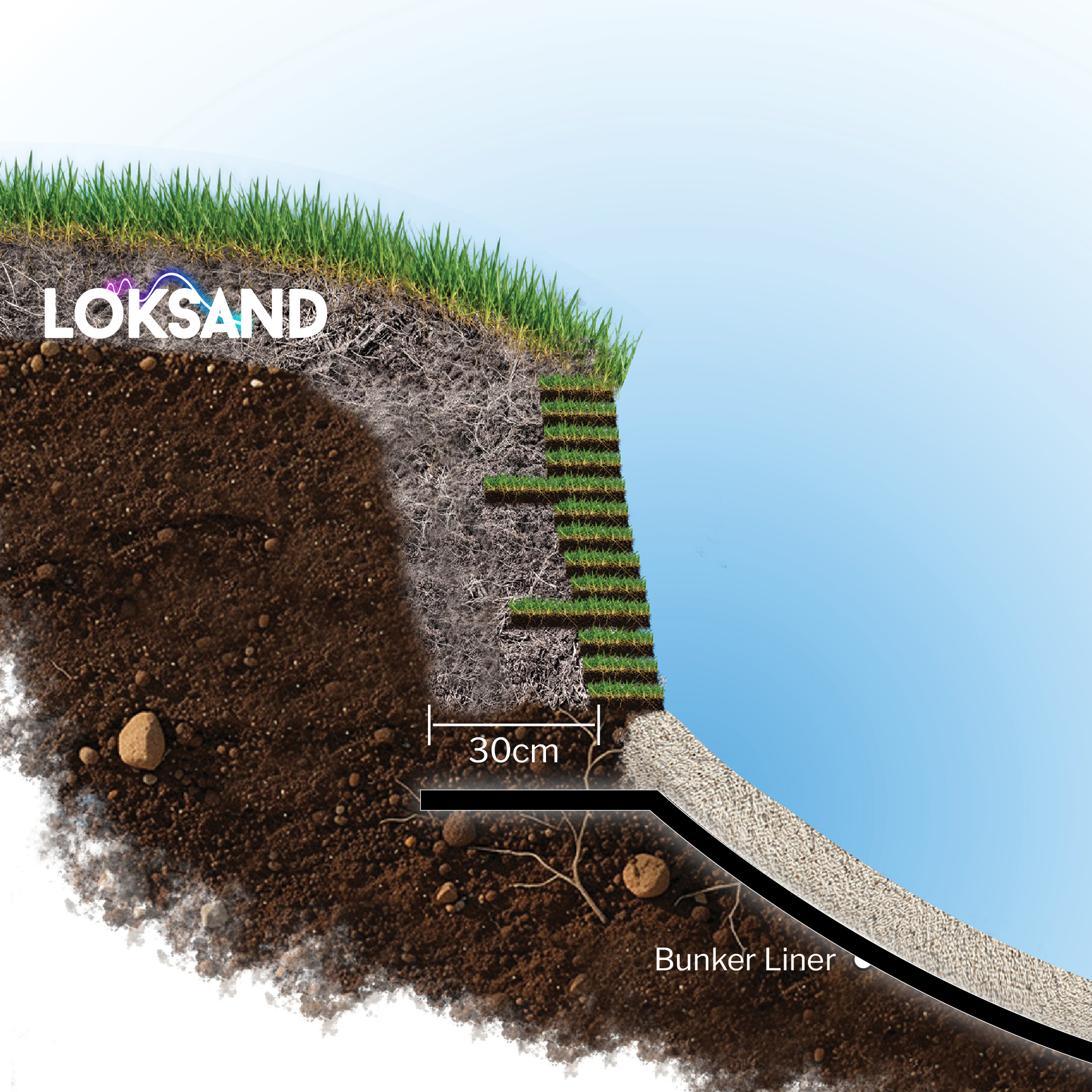
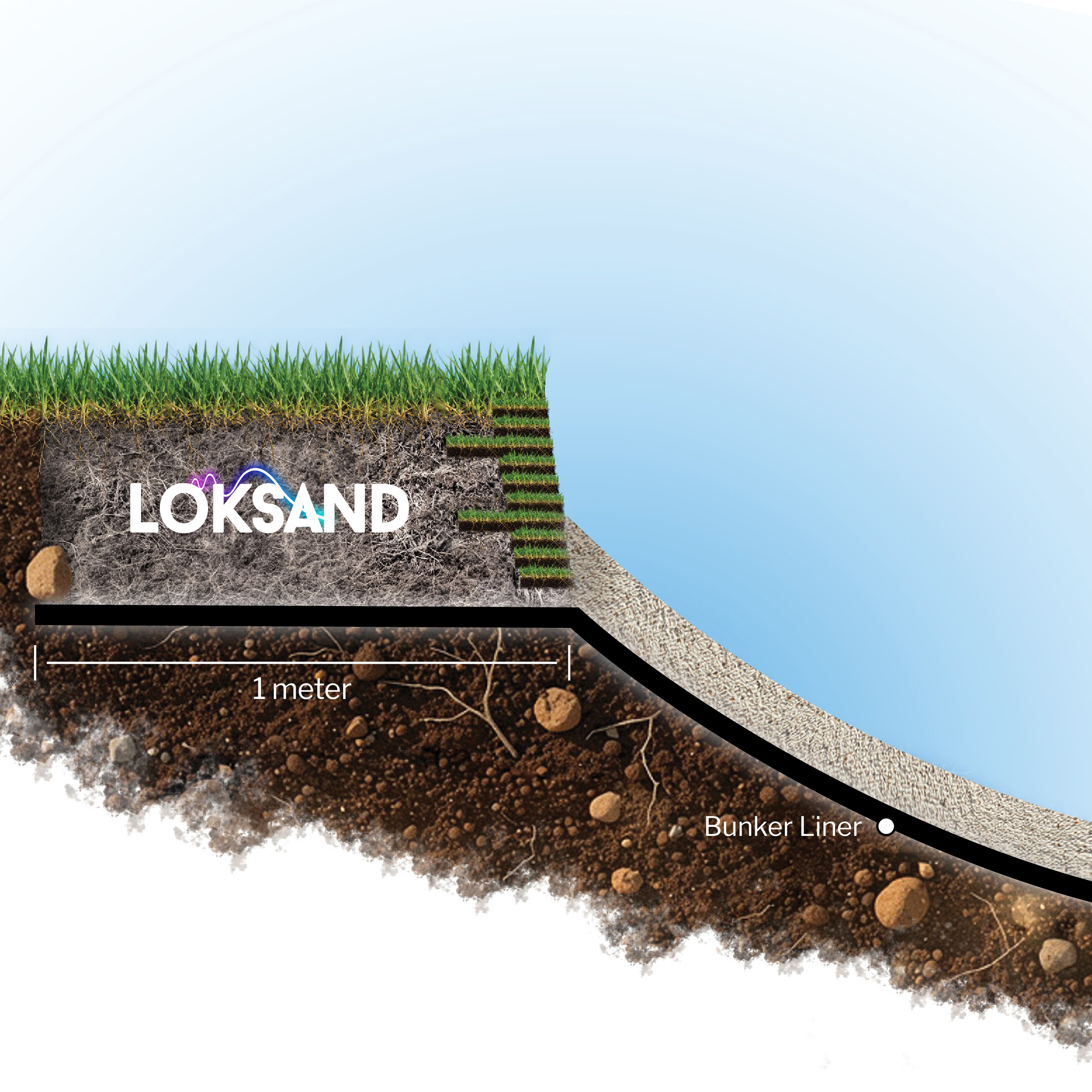
For a bunker application, Length is the measured perimeter of the bunker. Width is the band of mixed material required around that edge. Depth is the placed thickness of the mix — typically 4″, 6″, or 8″ — which varies according to strength requirements.
What to Measure
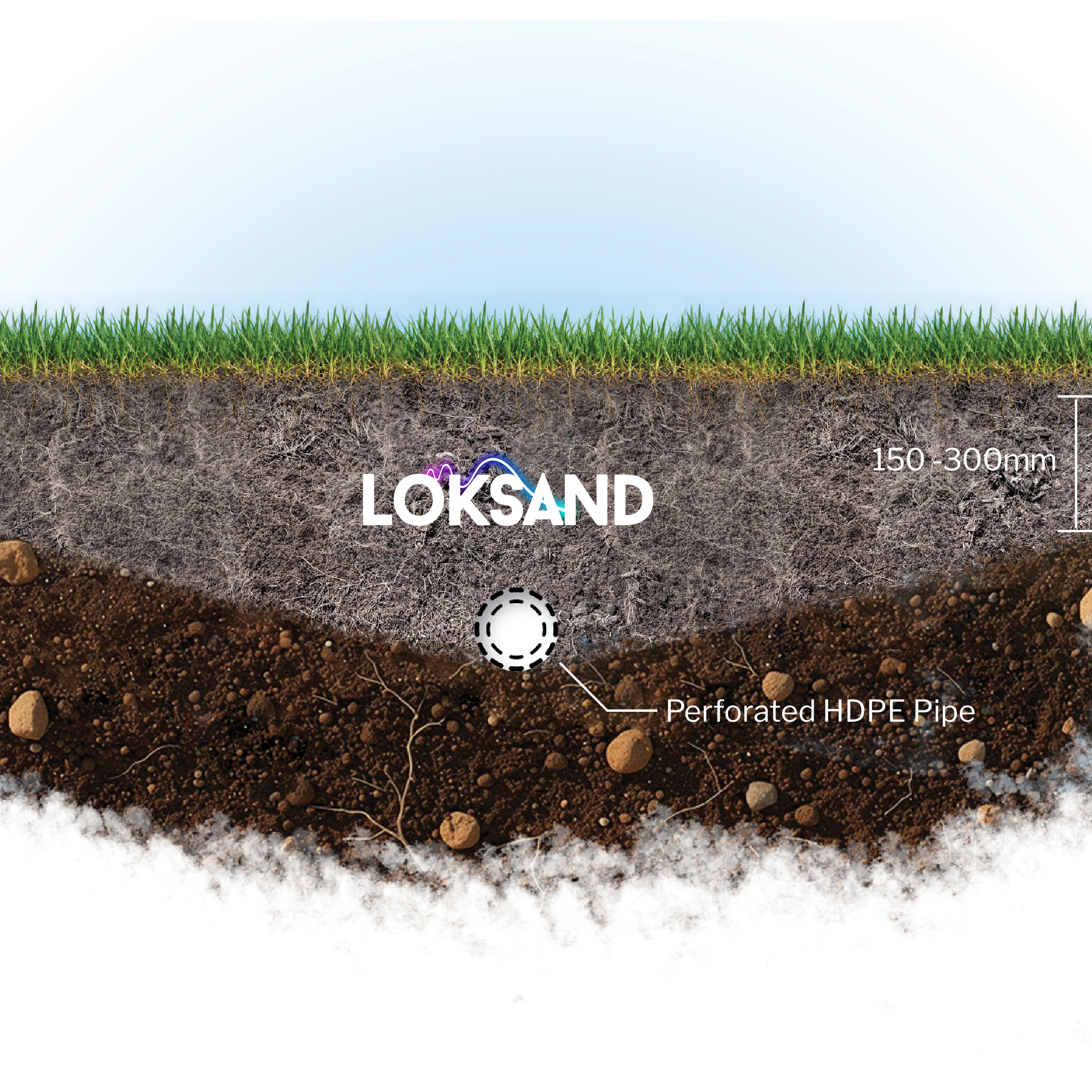
Choosing the Correct Depth
Site factors determine whether the mix should be placed at 4″, 6″, or 8″:
Enter the dimensions of the area to be treated. Results use a standard mix density of 100 lb/ft³ and the published 6 lbs Loksand per ton of mix.
Depth and mix quality determine a successful outcome. Consult us to determine the depth of material best suited for your project.
Use Your On-site Material
Loksand can typically be mixed with any material. Specially formulated sands are not generally required except in very unusual circumstances.

Exposed Low Face

With Grass Cover

With Coquina

Covered Edge

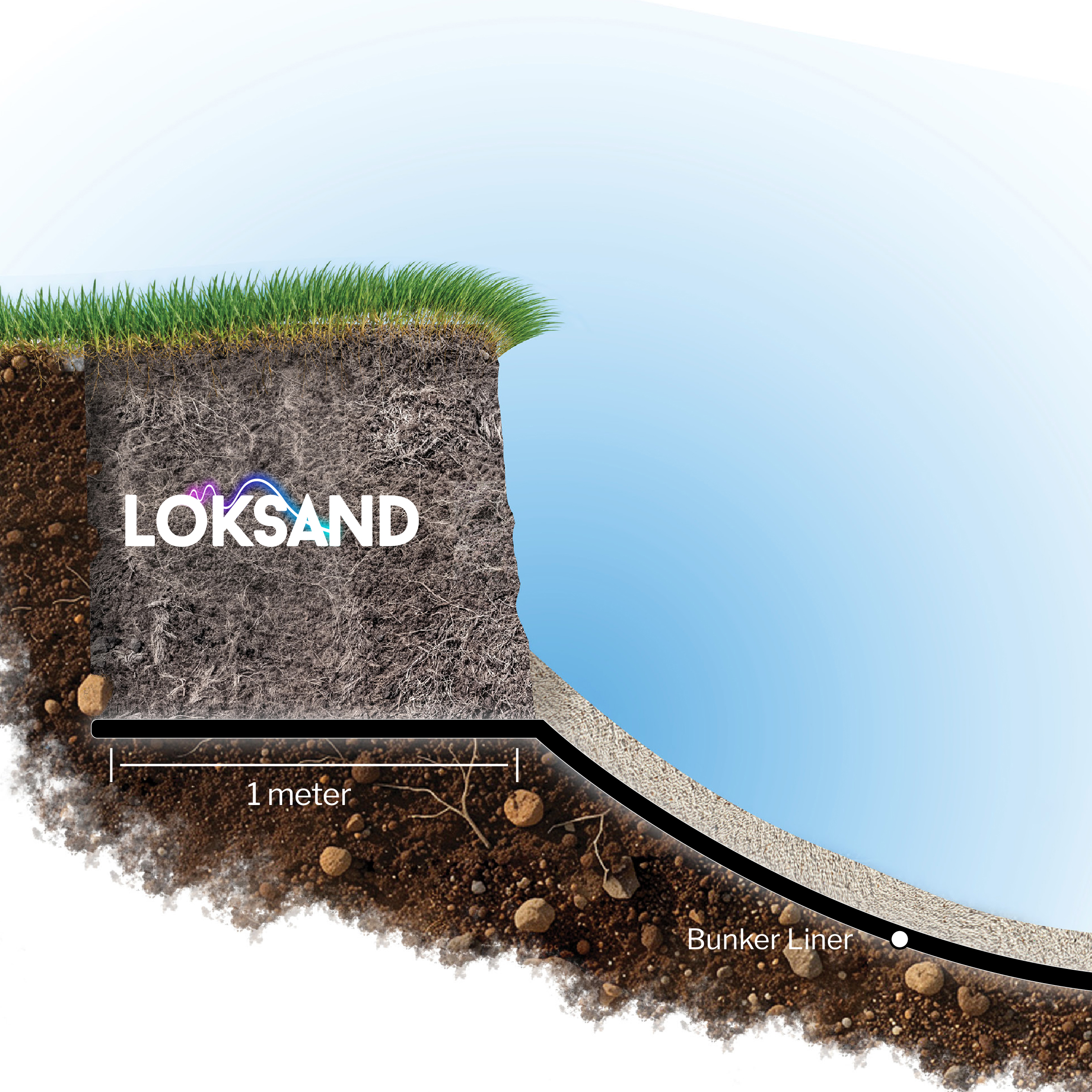
Exposed High Face

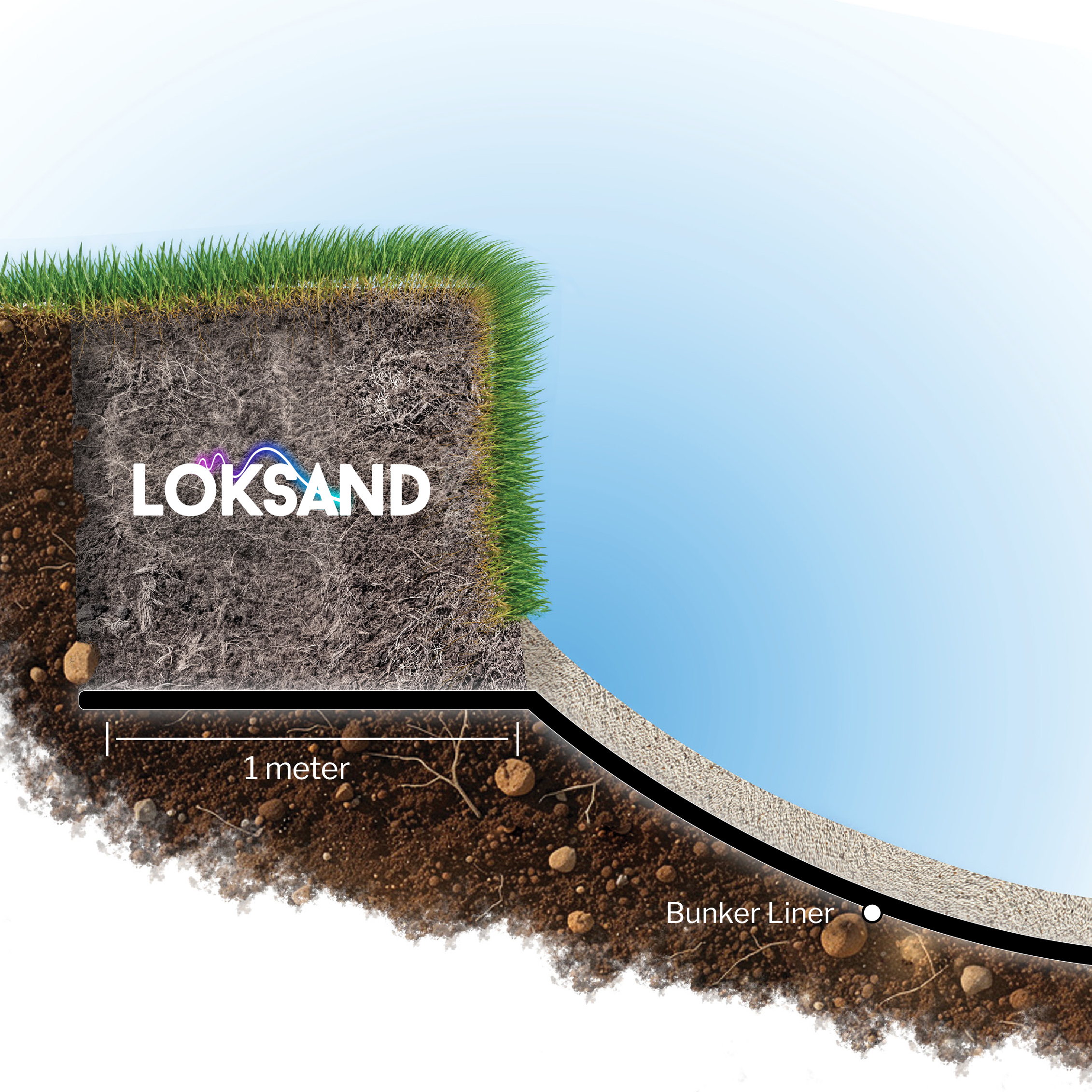
Grassed High face

Exposed High Face

Rivetted High Edge

Rivetted Low Edge

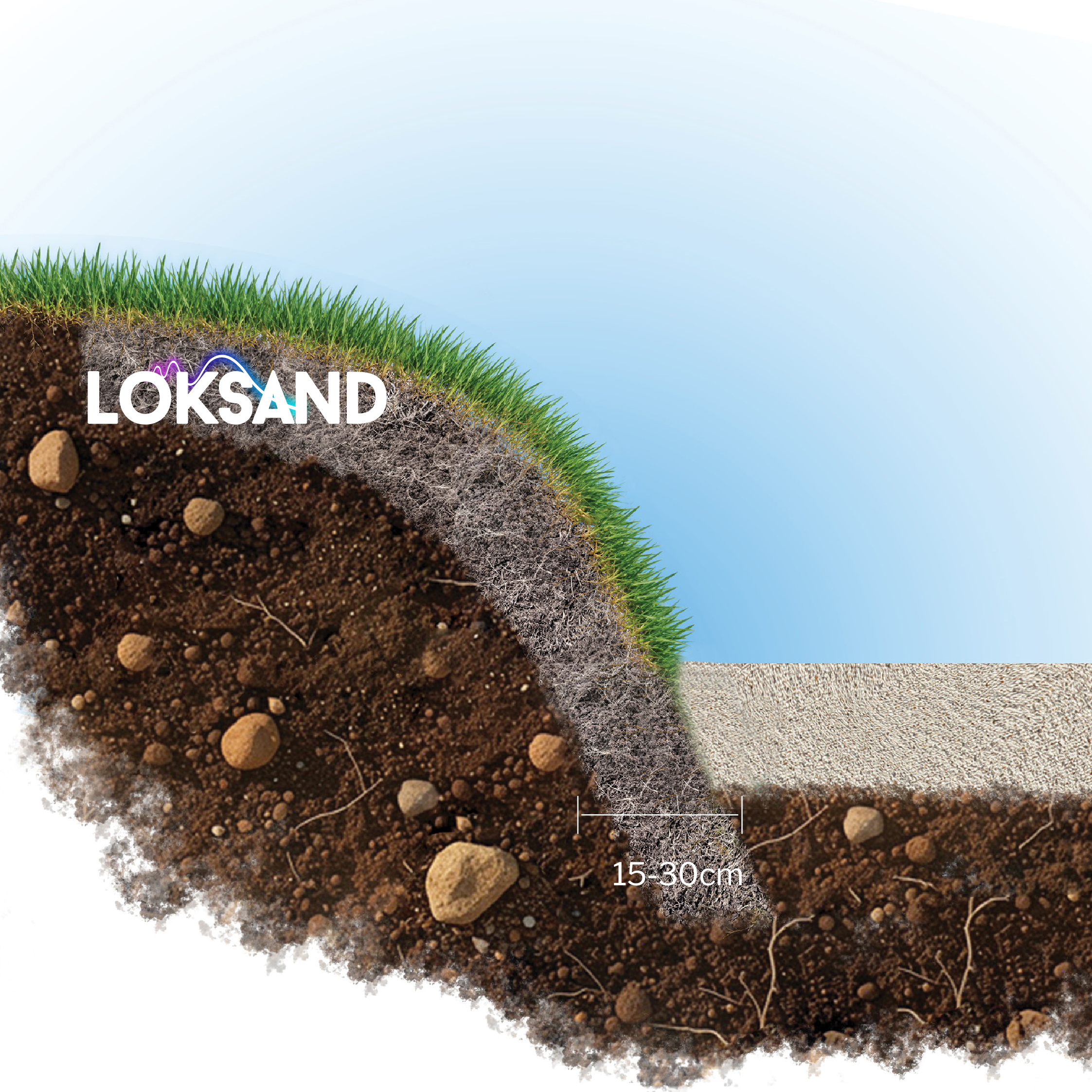
Rounded Grass Slope

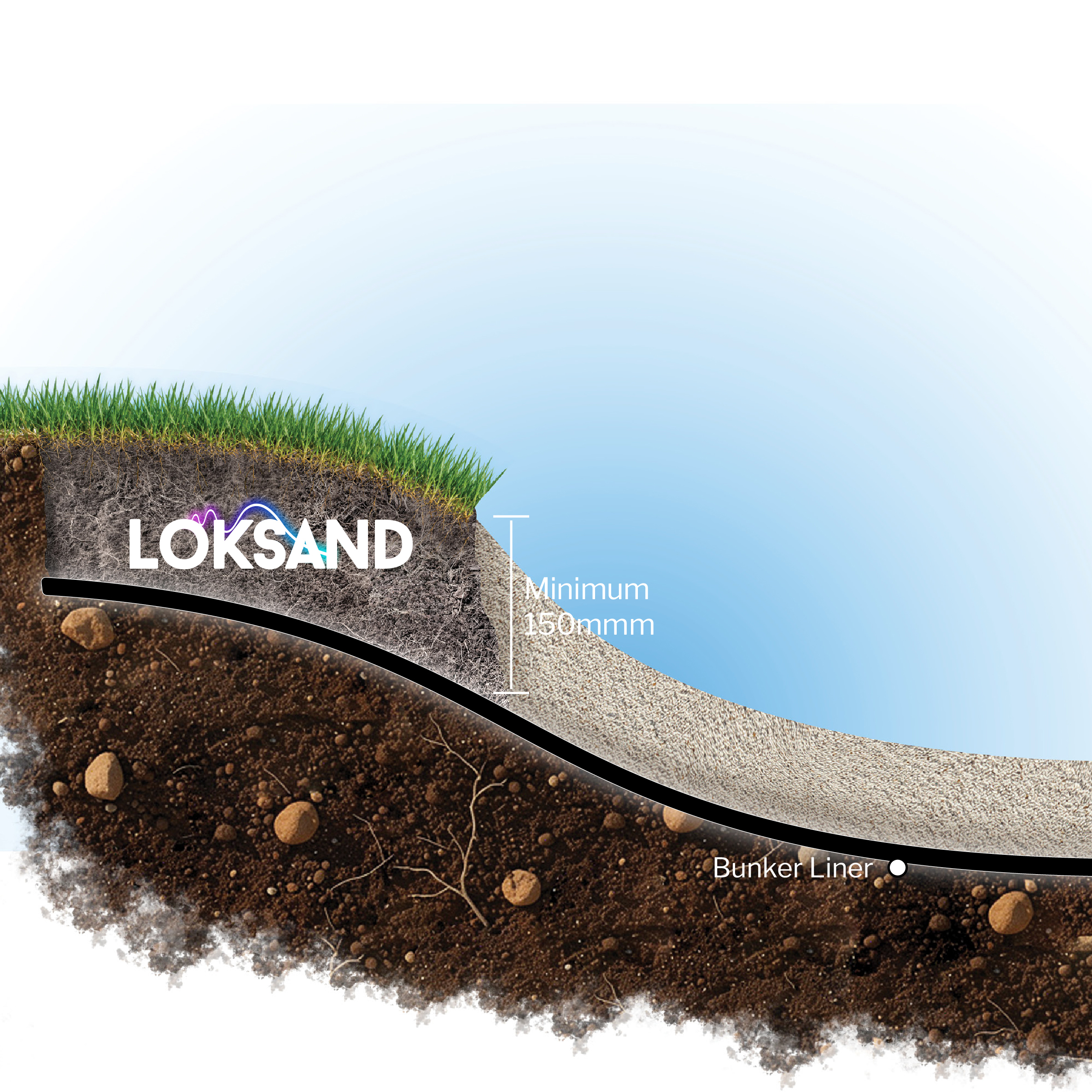
Grass Covered Slope

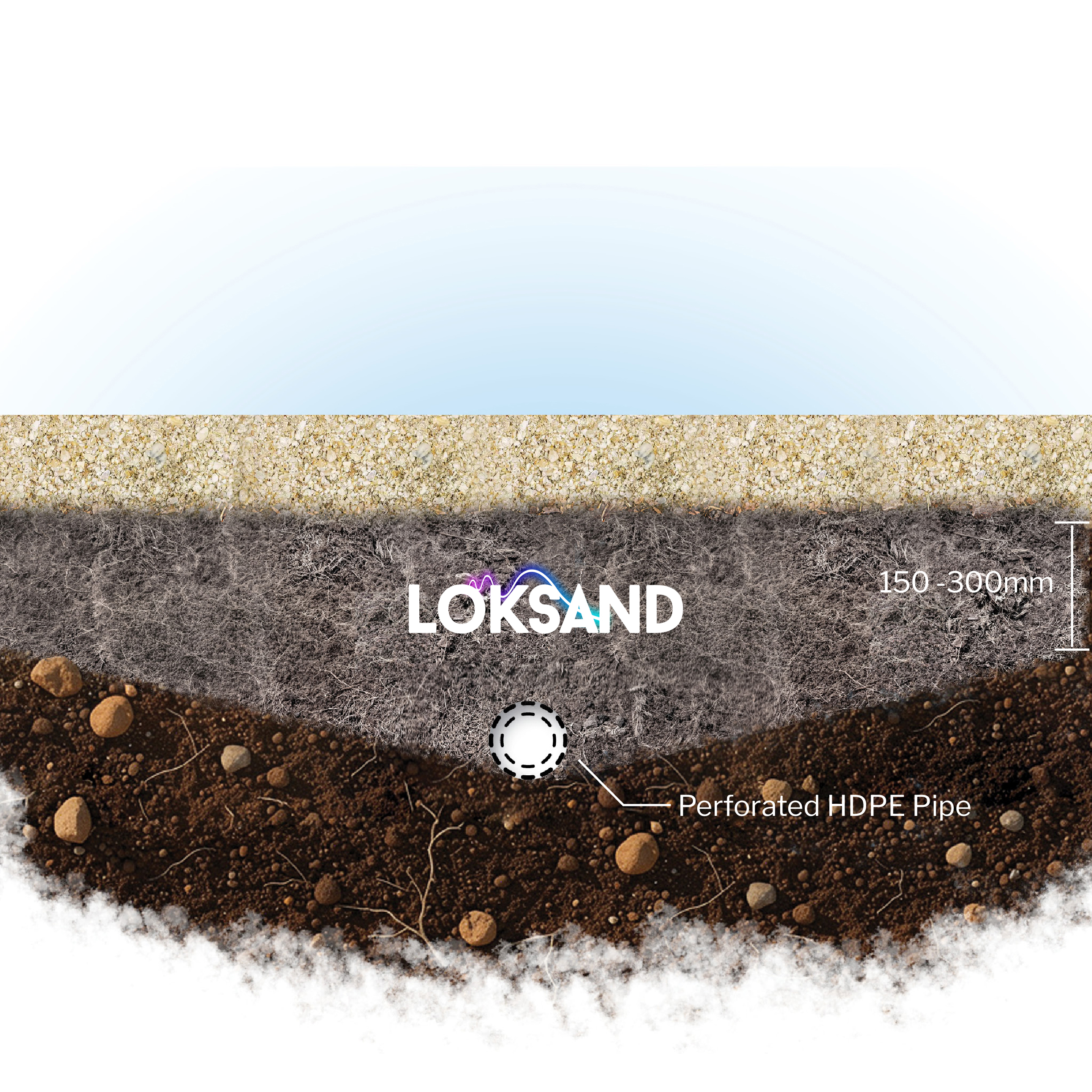
Green Edge Drain
Our video collection provides a visual insight into virtually every aspect of Loksand.
If you are an architect, designer or contractor working with Loksand, we invite you to contact our team for project support or further technical information. We can help review your project requirements and provide guidance to ensure a successful outcome.
"*" indicates required fields